Regenerative Medicine in Aesthetics: Skin Health, Collagen & Longevity
- Author
- IN SEOK KYUNG
- Date
- 2026.10.16
- Views
- 9
Regenerative Medicine: The Future of Skin Health and Longevity
Beyond looking younger — exploring how we can support the body's natural processes of repair and renewal.
Aging is more than the appearance of wrinkles or sagging skin. Over time, collagen declines, tissue structure changes, and the skin gradually loses some of its resilience.
What if aesthetic medicine could look beyond these visible changes and focus on the biology behind them?
This is where regenerative medicine comes in — an evolving field that explores how cells, tissues, and biological processes may be supported, repaired, or restored.
At DORE CLINIC, we see regenerative medicine as an important part of the future of longevity: understanding how skin changes over time and exploring ways to support its long-term health.
Q1. What Is Regenerative Medicine?
A. Regenerative medicine explores ways to repair, restore, or replace damaged cells, tissues, and biological functions.
Traditional aesthetic medicine often focuses on correcting visible signs of aging, such as wrinkles, volume loss, and skin laxity.
Regenerative medicine looks deeper, investigating the biological processes involved in tissue repair and maintenance.
Researchers are studying stem cells, growth factors, cell signaling, and the extracellular matrix — the structural environment containing collagen, elastin, and other essential components of healthy skin.
As we age, this environment changes, affecting skin thickness, elasticity, and resilience.
The goal is to better understand these changes and explore ways to support tissue health over time.
Regenerative medicine is not simply about looking younger. It is about understanding the biology that helps our tissues remain healthy.
Q2. What Are Researchers Studying?
A. Several promising areas are expanding our understanding of tissue repair and aging.
Stem cells and cell-based therapies
Researchers are investigating how different cell populations may contribute to tissue repair and regulate inflammatory responses. Adipose-derived cells are one area of interest, although many aesthetic applications remain under investigation.
Growth factors and cell signaling
PRP, or platelet-rich plasma, uses a platelet-enriched preparation derived from a patient's own blood. It has been studied in selected dermatologic applications, although results vary depending on the indication and treatment protocol.
The extracellular matrix
Collagen, elastin, and the surrounding tissue environment help determine the skin's structure and resilience. Understanding how this matrix changes with age may help guide future approaches to skin health.
Exosomes and cell-derived signaling
Exosomes are small extracellular vesicles involved in communication between cells. Their potential applications in regenerative medicine are being studied, but many proposed aesthetic uses still require stronger clinical evidence.
These approaches are not interchangeable, and scientific interest does not automatically establish clinical effectiveness.
Q3. What Can a Clinic Offer Today?
A. Some treatments already address specific aspects of skin quality, while others remain experimental.
Depending on the patient's needs and applicable regulations, clinical approaches may include:
PRP: A blood-derived preparation studied for selected skin and hair applications.
Skin-quality treatments: Selected injectables that may improve hydration, texture, or other specific skin concerns.
Energy-based treatments: Radiofrequency, ultrasound, and lasers used for concerns such as skin laxity and texture.
Collagen-stimulating treatments: Procedures designed to encourage collagen remodeling when clinically appropriate.
These treatments differ in their mechanisms and evidence. Not all are regenerative medicine in the strict scientific sense, and none should be considered a universal solution for aging.
Cell-based procedures require particular care. Treatments involving adipose-derived cells, stromal vascular fraction (SVF), or cultured cells have distinct processing, safety, and regulatory considerations.
In South Korea, the legality of a procedure depends on its specific materials, processing method, intended use, and applicable regulatory requirements. A treatment being technically possible does not automatically mean it is permitted for routine aesthetic use.
The priority should always be evidence, safety, and an appropriate clinical indication.
Q4. What Does the Future Hold?
A. Regenerative medicine is moving toward more precise, personalized, and evidence-based approaches.
Researchers are exploring how aging affects cellular behavior, tissue repair, and the extracellular matrix. Advances in cell manufacturing, biomarkers, and tissue engineering may eventually support more targeted treatments.
In the future, a better understanding of individual aging patterns may help clinicians select more appropriate interventions for different skin types and tissue conditions.
However, promising laboratory findings must be supported by clinical evidence before they can be considered established treatments.
The future of regenerative medicine will depend not only on scientific innovation, but also on demonstrating safety, effectiveness, and meaningful clinical benefits.
Q5. How Does Regenerative Medicine Connect with DORE Longevity?
A. Longevity focuses on maintaining health over time. Regenerative medicine explores the biology that may help support it.
At DORE CLINIC, we believe healthy aging involves more than correcting visible signs of aging after they appear.
It also means understanding how the skin and its supporting tissues change over time.
Our longevity approach considers:
Skin structure: Collagen, elasticity, thickness, and the extracellular matrix
Skin quality: Hydration, texture, and barrier function
Facial balance: The relationship between skin, fat, muscle, and soft tissue
Long-term maintenance: Appropriate treatment timing and avoiding unnecessary interventions
Regenerative medicine adds another dimension by exploring the biological processes involved in tissue repair and maintenance.
Some treatments are already available for specific indications, while others remain under investigation. Understanding this distinction allows us to approach emerging technologies with both curiosity and clinical responsibility.
We believe the goal is not to pursue every new treatment, but to choose the right approach for each individual — based on their needs, the available evidence, and the long-term health of their skin.
The Future of Beauty Is Not Just About Looking Younger
We cannot stop time, and no single treatment can preserve youthful skin indefinitely.
But as our understanding of aging advances, regenerative medicine may offer new ways to explore tissue repair, resilience, and long-term skin health.
At DORE CLINIC, we see this as a natural extension of our longevity philosophy.
Longevity asks how we can stay healthy for longer. Regenerative medicine explores how we may better support the body's capacity for repair and renewal.
Our vision is to bring these perspectives together through individualized assessment, evidence-based treatments, and a thoughtful approach to natural beauty.
Not simply correcting the signs of aging. Not promising to reverse time. But continuing to explore how we can support healthier skin and more natural aging — for longer.
DORE CLINIC — Longevity, Guided by Science.
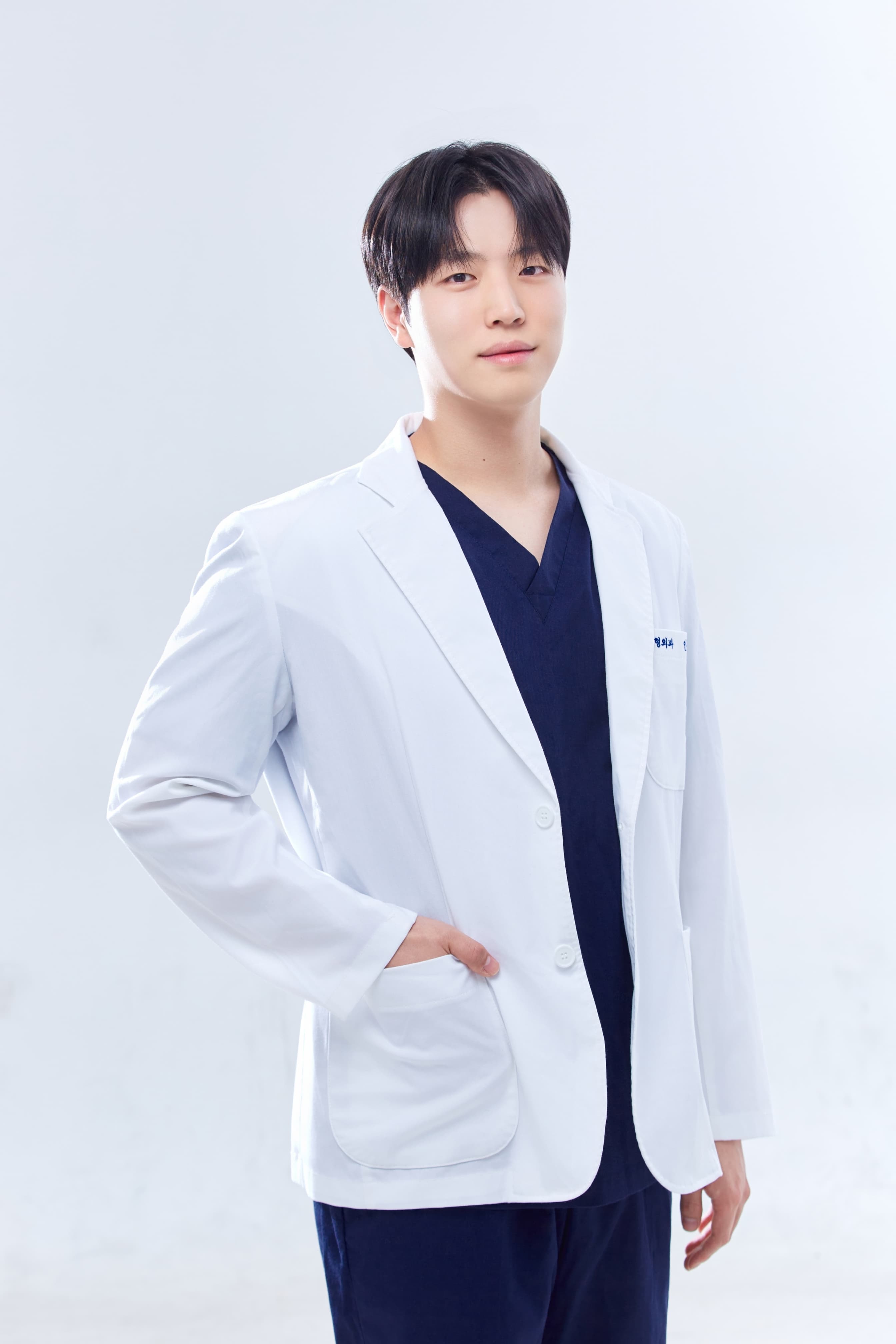
Doctor · Lifting Center, Anti-aging Center