DORE
DORÉ BLOGWhat Is Oligio Lifting?
What Is Oligio Lifting?
Heat from Within, Cooling on the Surface
Everything You Need to Know, From How It Works to Pain Level, Results Duration, and Shot Count
Oligio is a radiofrequency (RF) lifting device that delivers controlled heat to the dermis to help improve skin firmness and elasticity. It uses 6.78 MHz monopolar RF energy, while a cooling system protects the skin's surface during treatment. Since the procedure delivers heat without the use of needles or incisions, it generally involves minimal downtime.
So, how does Oligio work? How painful is the treatment, when can you expect to see results, and how long do they last? Let's explore the answers to some of the most frequently asked questions at skin clinics in Gangnam, Seoul.
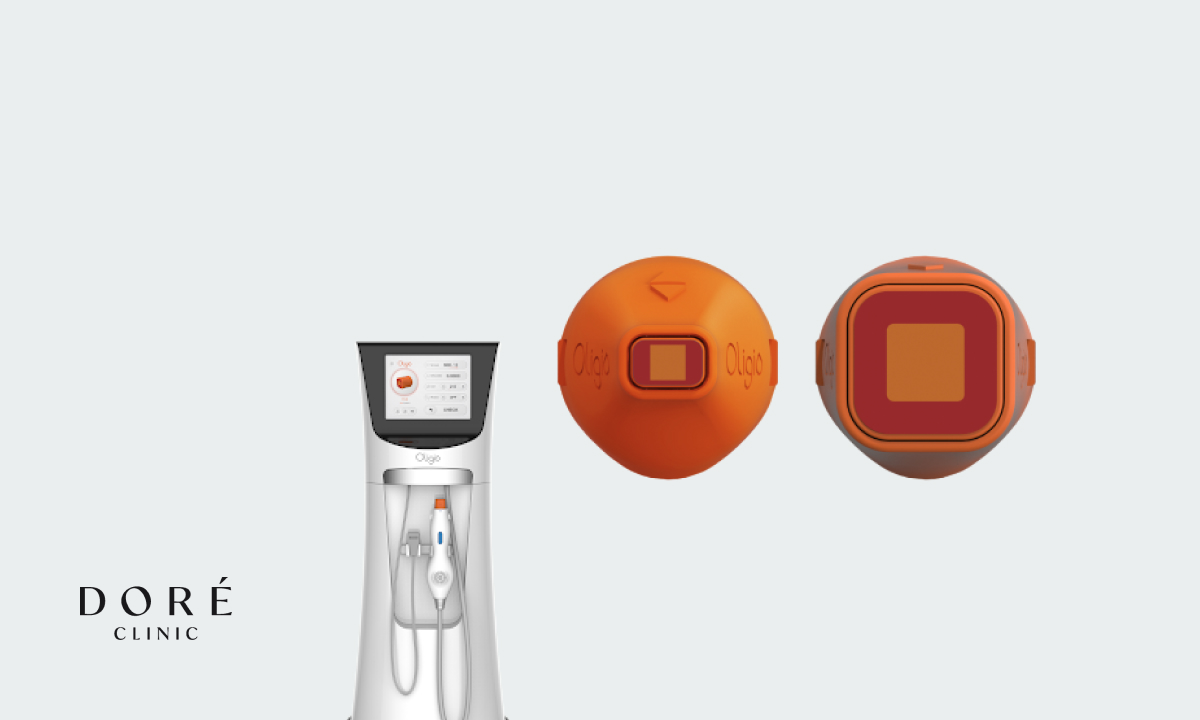
Q1. What kind of treatment is Oligio?
Oligio is a lifting device that delivers 6.78 MHz monopolar radiofrequency (RF) energy into the dermis. The electrical current generates heat within the tissue, causing collagen fibers to contract while stimulating collagen renewal. During treatment, tissue temperatures are reported to reach approximately 40-60°C.
One of the key characteristics of monopolar RF is its ability to distribute heat broadly throughout the dermis rather than concentrating it in a single spot. Unlike needle-based treatments that target specific depths, monopolar RF works by heating a wider area more evenly. This makes it suitable for addressing overall skin texture and firmness across the face.
Oligio also incorporates contact cooling technology. This system keeps the skin's surface cool while delivering sufficient heat to the deeper layers. Since excessive surface temperatures can increase discomfort and the risk of burns, cooling is more than just a comfort feature, it plays an important role in protecting the skin during treatment.
The device is also equipped with temperature sensors and impedance monitoring technology, which automatically adjust energy output when overheating is detected. However, these features serve as additional safety measures. Treatment safety and results still depend largely on the practitioner's ability to assess the patient's skin condition and select the appropriate treatment settings.
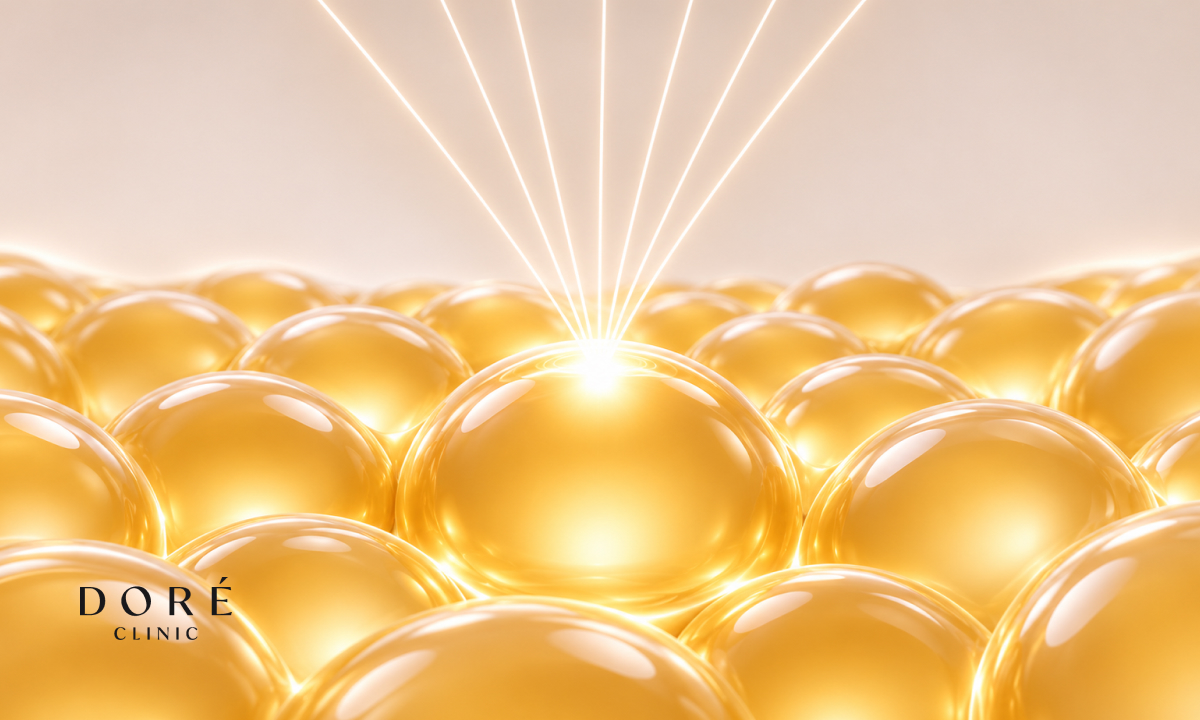
Q2. How does Oligio tighten the skin?
Oligio's effects can be understood in two stages. The first is the contraction of existing collagen in response to heat. When exposed to heat, the collagen fibers within the tissue contract, making the skin feel temporarily tighter. This is why some patients notice an immediate tightening sensation after treatment.
The second stage involves the production of new collagen. Fibroblasts stimulated by heat begin producing new collagen and elastin, gradually improving skin density and firmness over the following weeks. Since this process takes time, the results develop progressively rather than appearing all at once.
This is why the timing of your assessment matters. The tightness immediately after treatment is influenced by both heat-induced collagen contraction and swelling, while more noticeable changes typically begin to emerge after 2-4 weeks. As a result, photos taken immediately after treatment may look quite different from those taken one month later.
Another important point to understand is that the effects of heat can accumulate over time. A single session does not transform the entire dermis. Instead, repeated treatments at appropriate intervals may help build collagen density over time. For this reason, Oligio is often recommended as part of an ongoing skin maintenance plan rather than a one-time treatment.
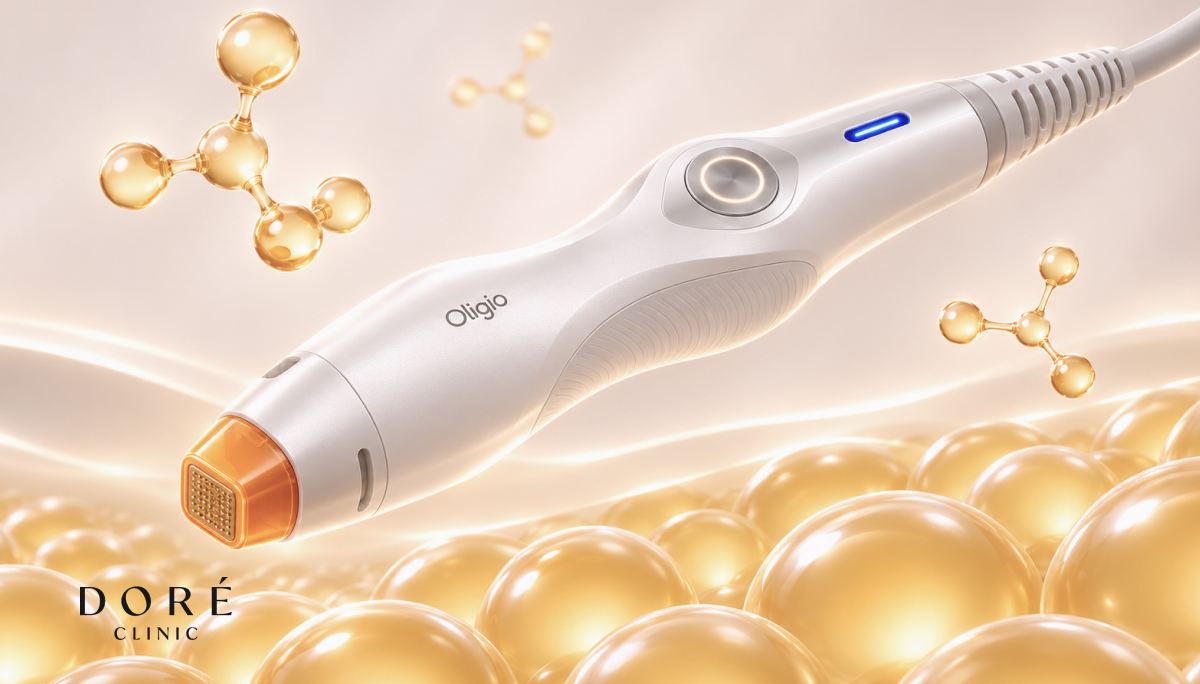
Q4. How painful is it, and how long is recovery?
Pain levels vary from person to person, but Oligio is generally tolerable with topical numbing cream alone. Many patients describe the sensation as similar to a warm compress, while areas receiving stronger cooling may even feel cool.
Some redness is normal immediately after treatment. It usually subsides within 1-2 hours, and patients can generally wash their face and apply makeup on the same day. However, since the skin may be sensitive, avoid vigorous rubbing or exfoliating products that day.
Although downtime is minimal, proper aftercare is still important. For 2-3 days, avoid excessive sun exposure, saunas, and strenuous exercise, and keep the skin well moisturized. Heat can cause the skin to lose moisture more quickly, making hydration during this period important.
If redness lasts more than 24 hours, or if blisters, severe pain, or changes in pigmentation occur, do not self-treat. Contact the clinic where you received treatment and seek medical attention.
Q5. When do results appear, and how long do they last?
Effects may begin with a tightening sensation immediately after treatment and continue to develop over 2-4 weeks. As new collagen formation takes approximately 2-3 months, changes in skin texture and firmness may be most apparent around the three-month mark. This is why some people say their skin looks even better a month later.
Results are often described as lasting 3-6 months, although some guidance suggests roughly 6 months to a year. In either case, individual variation is substantial, and duration can differ by treatment area and skin condition even in the same person. Rather than specifying a fixed period, it is more accurate to observe how quickly your own skin returns to its previous state.
Treatment intervals can then be planned. A course of two or more sessions spaced 3-6 months apart is commonly suggested, and twice-yearly maintenance is also a frequent approach. The idea is that maintaining some of the existing response may be more efficient than starting over after it has completely faded.
Three factors affect longevity: the total energy delivered during treatment (shot count and intensity), the skin's regenerative capacity, and movement in the treated area. Frequently moving areas, such as around the mouth and jawline, may return to their previous state sooner even under comparable conditions.
Q6. How does DORÉ CLINIC in Gangnam, Seoul approach Oligio?
Even with the same Oligio device, different settings can produce very different treatments. That is why DORÉ CLINIC first considers which skin layer to target and how much energy to deliver, rather than focusing solely on the device itself.
First, we distinguish the causes of sagging. The approach differs depending on whether the concern is hollowing from fat loss, reduced skeletal support, or diminished skin elasticity. Oligio may be better suited to cases involving reduced density and firmness within the skin layers. Second, we tailor the settings. We assess skin thickness and resistance in different areas, adjust intensity and shot distribution, and monitor surface temperature during treatment. Third, we distribute energy by area. More energy may be assigned to the cheeks and jawline, while lower levels are used for thinner areas such as around the eyes and mouth. Fourth, we plan treatment intervals. Rather than using excessive energy in one session, we consider a schedule of treatments spaced 3-6 months apart.
Of course, identical results cannot be guaranteed for everyone. Collagen responses vary from person to person, and how long results last also depends on the skin's condition. We believe explaining these differences in advance is an important part of a consultation.
If you are considering Oligio, start by finding out which layer of your skin needs attention rather than focusing only on the number of shots.
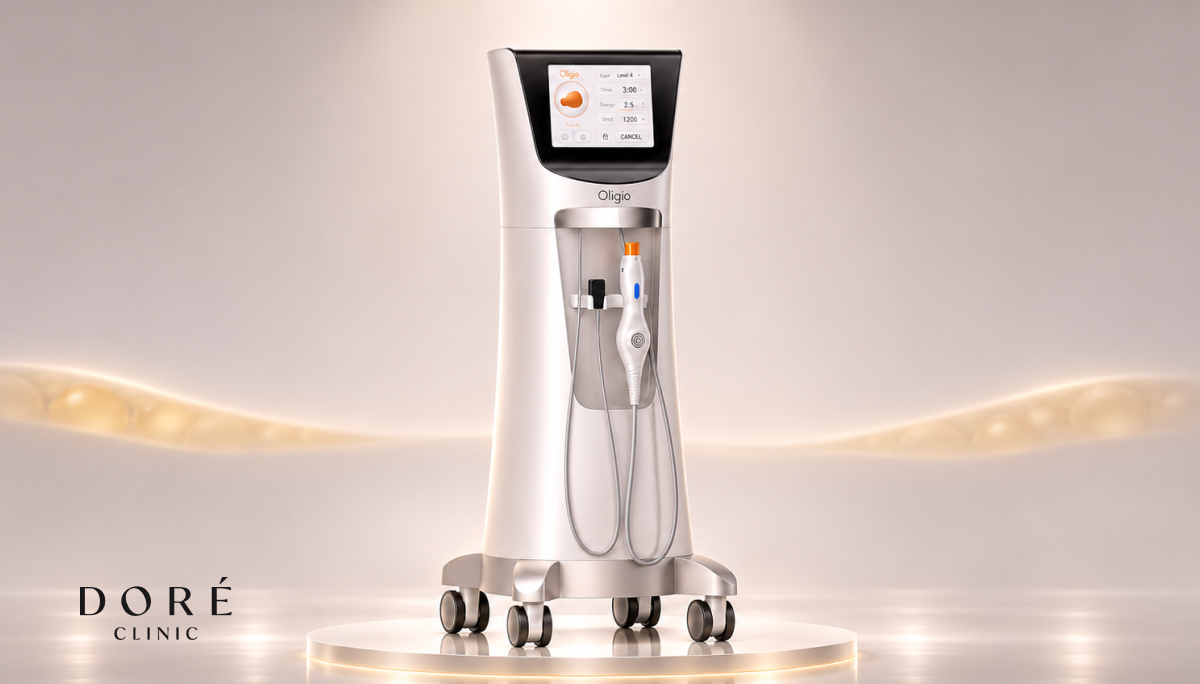
DORE CLINIC | Oligio Lifting
Warmth beneath the skin. Protection at the surface.
Visit DORÉ CLINIC in Gangnam, Seoul, for a personalized Oligio consultation tailored to your skin condition and treatment settings.
This content is intended to provide general medical information; the suitability and expected results of an actual treatment must be confirmed through a consultation and examination with a medical professional.

Doctor · Lifting Center, Anti-aging Center
Consultation and Reservation Inquiries
Please feel free to contact us with any questions you may have.